25 August 2013
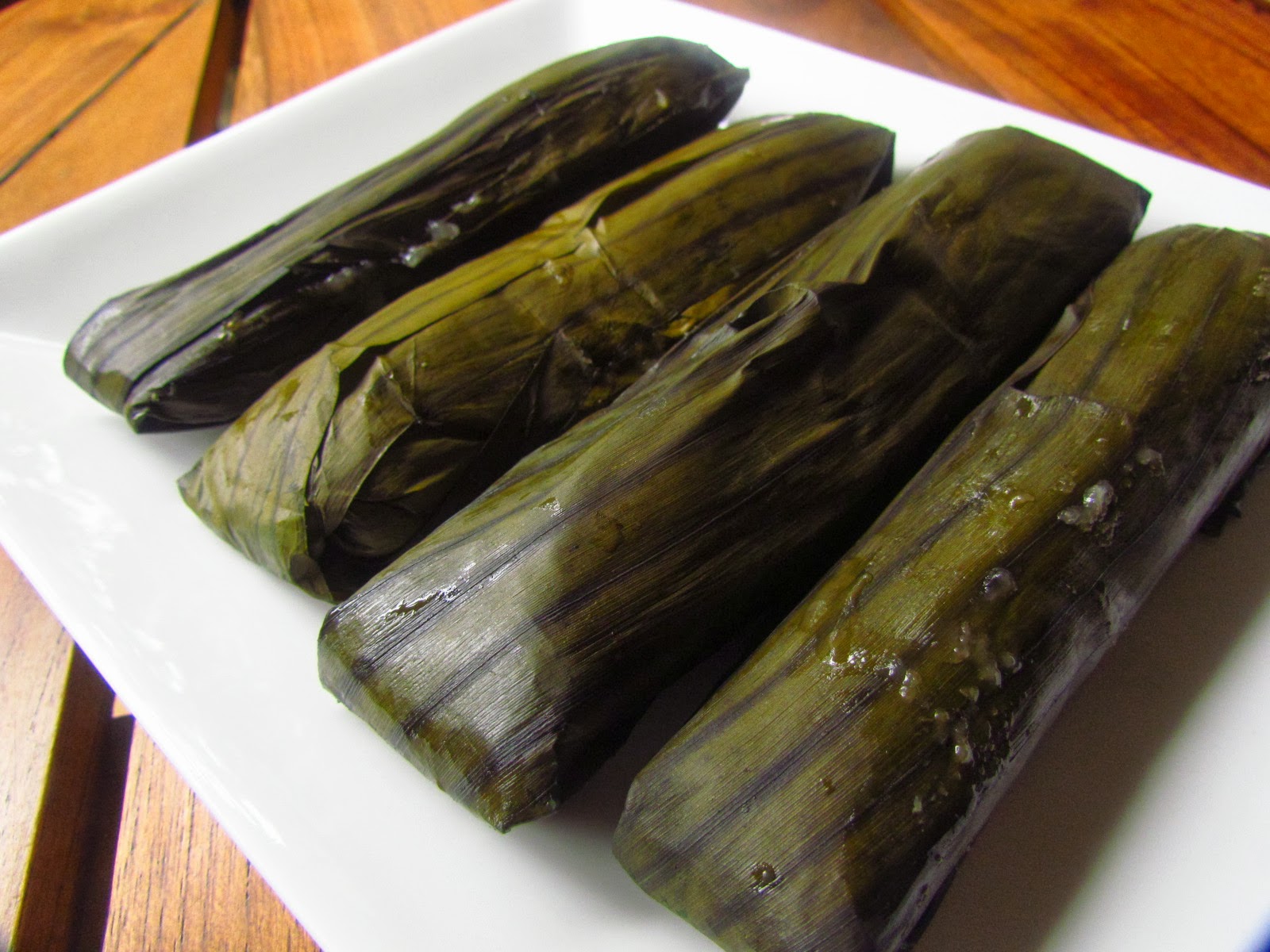
Cassava Suman

03 August 2013
Fixing the Roof


We do not have the existing, mature harábas variety but we do have young trees that our caretaker, Marvin harvested some leaves from (left). Instead of going to the hardware or a home depot to replace a roof, we instead go to the garden!
27 July 2013
Philippine Tree of the Month: Rambutan


21 July 2013
A New, Old Dish

It's been some weeks and we still haven't had our fill enjoying a dish; ginataáng santól (above), since our santól trees (Sandoricum koetjape) have been loaded with fruit. It's a dish more traditionally identified with Bícol than Batángas, and is one you'll hardly come across served in restaurants or even parties. This is true, rustic, home-cooked farm-to-table dish at its best.

13 July 2013
Potted Ferns


 It's been more than a year since we started propagating ferns in pots, and now we have extremely satisfying results. In this case, we focused on two polypodium types: a medium-sized and light frond (above & right), and a much-larger and heavier frond (topmost). The lighter one, we opted to let grow on a bucket shaped terra-cotta pot (right), which looks in proportion to its slender and lightweight appearance. Just a few more months and the fern will fill the entire pot, giving it a lush and full look.
Subscribe to:
Posts (Atom)