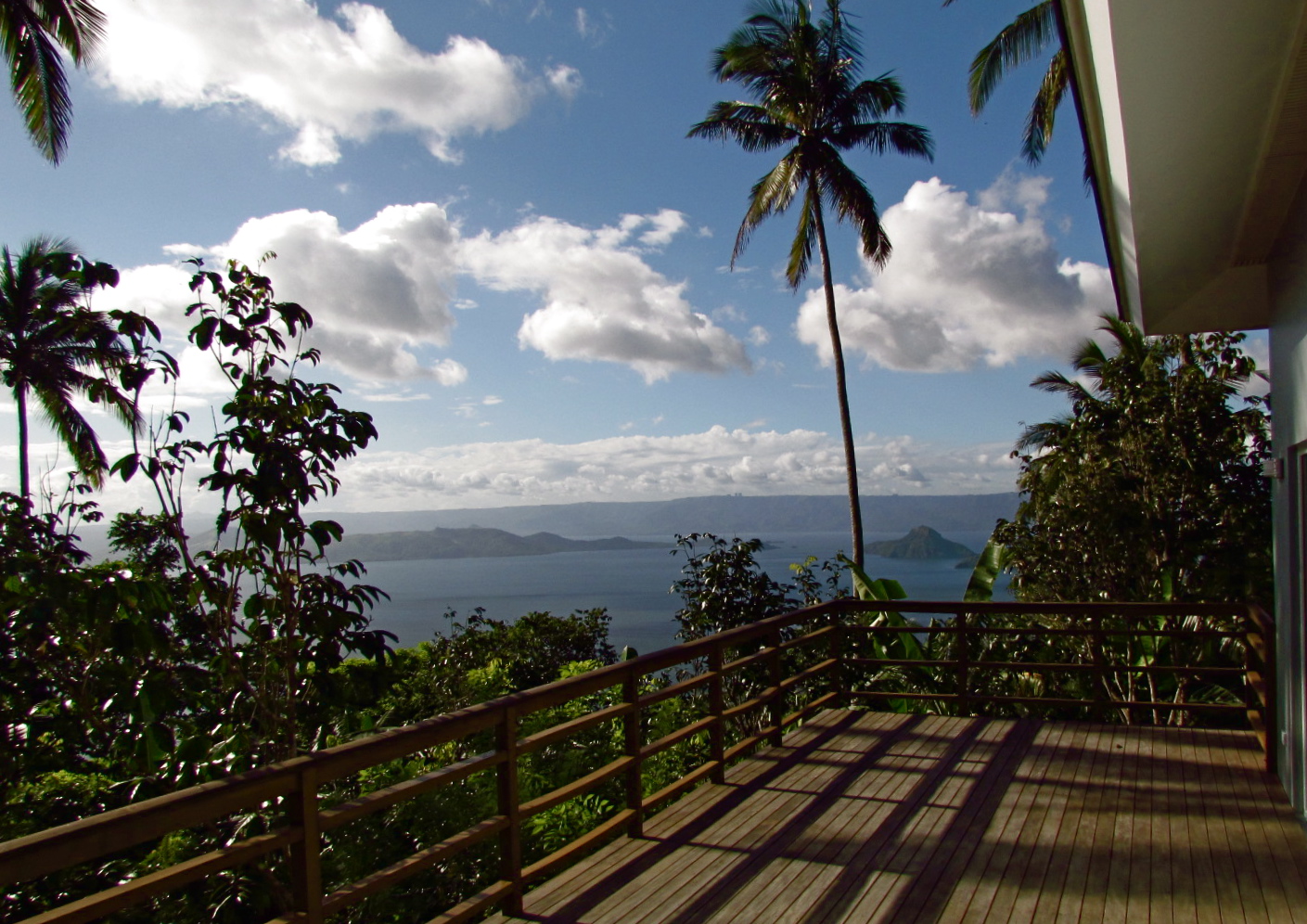
Since Day 1, I've been amazed at how eloquent the locals are in expressing themselves. The Batangueňos, or at least my neighbors in San Celestino, have an immense yet healthy pride of place and of their identity, and this is most evident in their language. Of course, I speak Tagalog which is supposedly the same, but their Tagalog is THE Tagalog! And a lot of times, until now, I ask them to translate to "Manila" Tagalog what they say.
Anyway, one of the most beautiful words I began to appreciate since I moved to Lipa is silángan. In Filipino class, we were taught that this is Tagalog for "east," and it is. But when I speak to them and they refer to something somewhere beyond, eastward, they say silángan when they mean "that direction, where each day is born."
Ahhh, so THAT is SILÁNGan; a place to give birth. What a romantic word to refer a mere compass point. I don't know if any of you are with me on this, maybe you have to hear it and not read it to empathize where I'm coming from. But when I listen to them, their navigation sounds so natural and organic to their "now" that it just makes so much sense.
Gee, makes me wonder, what else don't I know? Naturally, the next question is: so what is kanlúran? It turns out it's from the verb kanlúng, sounds familiar but honestly, I do not know what it means. Apparently, it's to seek shade or to hide under something, as in kumanlúng ka díne sa lílom nang di ka ma-ampiyasán (stay under [our roof] here so the rain won't get to you).
Okay, enough in the meantime. I told you their Tagalog is different.